About Pune
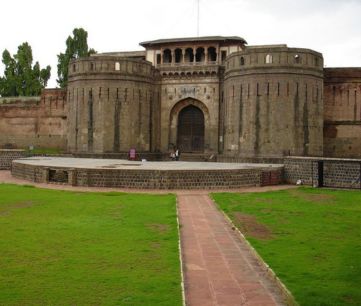
Shaniwar Wada
Shaniwar Wada stands as one of Pune’s most iconic landmarks, rich in Maratha history and architectural grandeur. Built in 1732 by Peshwa Bajirao I, this magnificent fort served as the official residence of the Peshwas until the early 19th century. Though much of the structure was destroyed in a fire in 1828, its massive stone walls, grand entrance gates, and remnants of the fountains and gardens still evoke the opulence of its era. The most popular attraction here is the Light and Sound Show, held every evening, which narrates the glory of the Maratha Empire. Located in the heart of the city, Shaniwar Wada is a must-visit for anyone looking to dive into Pune’s royal past.
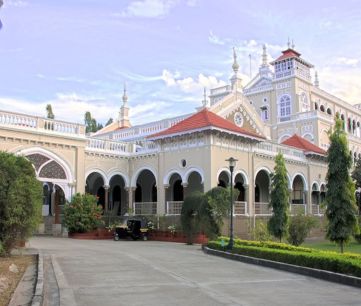
Aga Khan Palace
Built in 1892 by Sultan Aga Khan III, the Aga Khan Palace is a symbol of both architectural beauty and India’s struggle for independence. The palace gained historical significance when Mahatma Gandhi, his wife Kasturba Gandhi, secretary Mahadev Desai, and other leaders were imprisoned here during the Quit India Movement. Today, it serves as a museum housing rare photographs, personal belongings, and memorials of the freedom fighters. The palace's lush lawns, Italian arches, and serene atmosphere make it a peaceful retreat within the city. Recognized as a monument of national importance, the Aga Khan Palace reflects a poignant chapter of India's freedom movement.
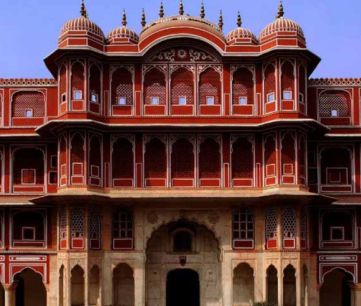
Lal Mahal
Lal Mahal, originally built in 1630 by Shahaji Bhosale for his son Shivaji Maharaj and family, holds a special place in Maratha history. Although the original structure was destroyed, it was rebuilt in the 20th century and now serves as a museum dedicated to the life and achievements of Chhatrapati Shivaji Maharaj. Inside, visitors can view large oil paintings depicting key moments from his life, including the iconic scene of his encounter with Shaista Khan. Located close to Shaniwar Wada, Lal Mahal is an excellent place to understand the early years and upbringing of one of India’s greatest warrior kings.
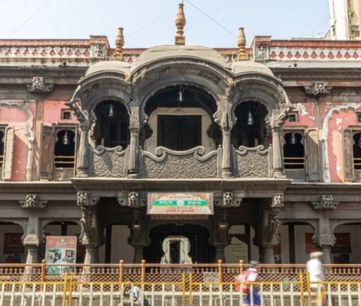
Vishrambaug Wada
A beautiful example of traditional Maratha architecture, Vishrambaug Wada was built in 1807 by Peshwa Bajirao II as his luxurious residence. The structure is known for its ornate wooden balconies, intricately carved pillars, and grand courtyards. Today, it houses a small museum and Pune Municipal Corporation offices, but retains its old-world charm and historic essence. The Wada also hosts occasional cultural exhibitions and events. A visit here offers a glimpse into the refined lifestyle and artistic sensibilities of the Peshwa period.
Parvati Hill and Temple
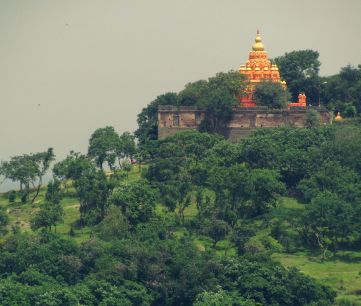
Parvati Hill, rising to about 2,100 feet above sea level, offers a spiritual and panoramic escape within city limits. The hill is crowned by a beautiful temple complex built by the Peshwas in the 17th century, dedicated to Goddess Parvati and Lord Shiva. The climb of 108 steps leading to the top is symbolic of spiritual ascent, and rewards visitors with a stunning view of Pune city. The site also includes the Parvati Museum, which displays weapons, manuscripts, and other artifacts from the Peshwa era. A visit to Parvati Hill combines history, spirituality, and breathtaking natural beauty.
Pataleshwar Cave Temple
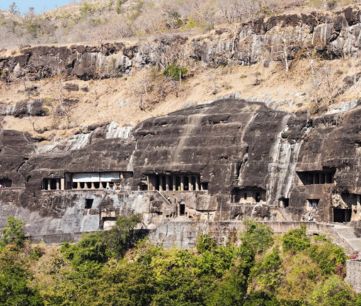
Hidden amidst the bustling streets of Jangli Maharaj Road, the Pataleshwar Cave Temple is a serene 8th-century rock-cut temple dedicated to Lord Shiva. Carved entirely out of basalt rock, this temple complex features a sanctum, a Nandi pavilion, and intricate stonework that reflects ancient Indian craftsmanship. Despite being over a thousand years old, the temple exudes tranquility and spiritual energy, making it a peaceful retreat for worshippers and history enthusiasts. Recognized as a protected monument by the Archaeological Survey of India, Pataleshwar is a rare gem from Pune’s ancient past.